I have my New Year’s resolution ready, and it is to visit my homeland, Syria, for the first time since I had to flee it eight years ago.
As a journalist who spent years reporting on the cost of the Assad regime’s staggering scorn for human life and dignity, I could not dream of going back to Syria as long as it remained in power.
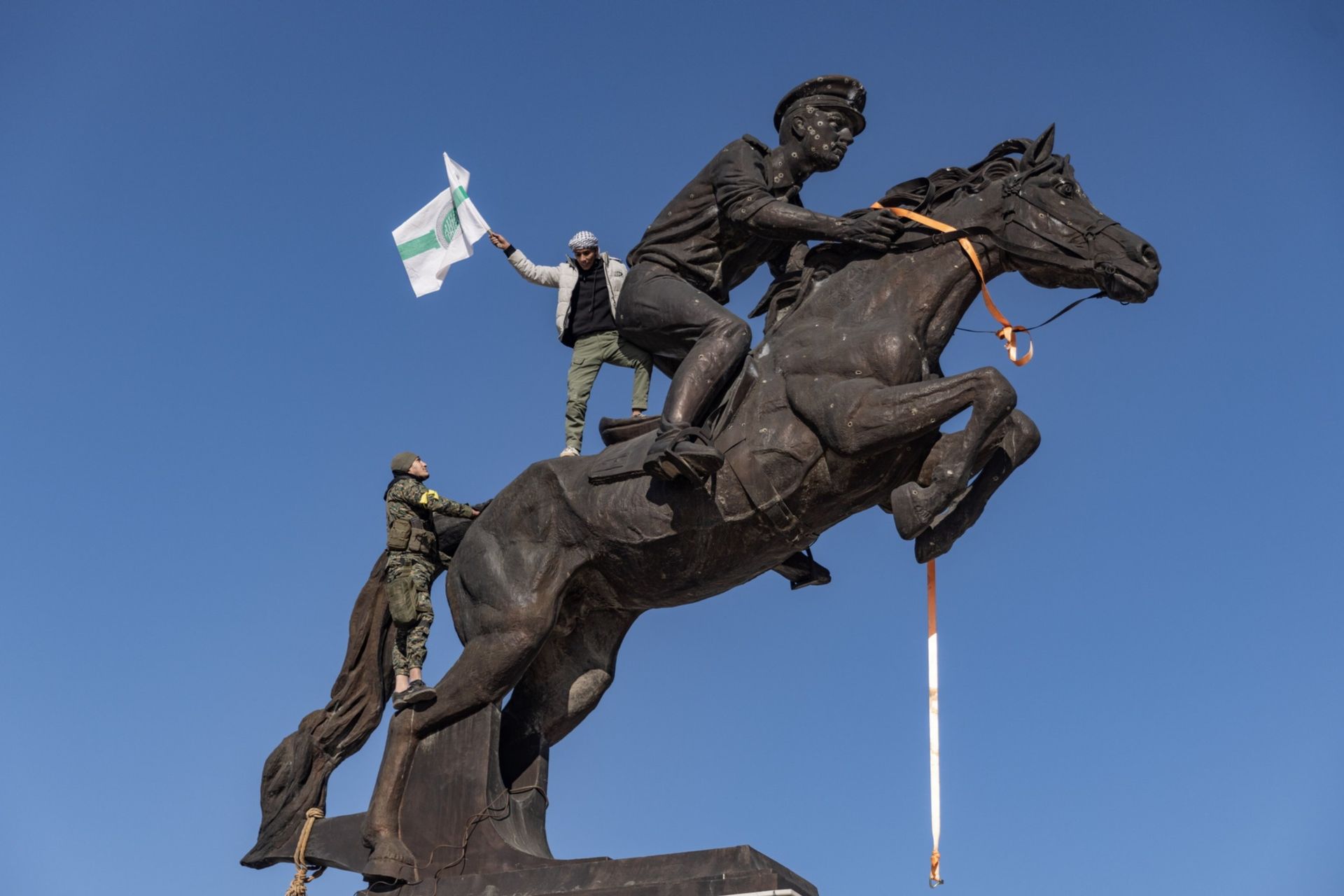
But in a shocking turn of events, it was Bashar al-Assad himself who had to pack up and flee under the cover of darkness last weekend, leaving the fate of the country and its people, including those who spent years fighting to keep him in power, in the hands of advancing rebels.
His defeat brought about an end to one of the worst dictatorships in history, a fact searingly proven by the harrowing clips coming out of prisons that have fallen to the rebel groups. For the millions of Syrian exiles and refugees around the world, and those internally displaced, it means that we can finally go back home.
The 11-day rebel offensive that ended more than 50 years of Assad rule coincided with the beginning of a trip I made to Rome, where I reunited with a childhood companion of Syrian-Kurdish background. Together, instead of admiring marble sculptures and savouring cheesy pasta, we spent sleepless hours phoning family and friends and watching the mighty Assad regime collapse on live television.
About 20 friends and family members joined us via phone after midnight on Saturday as we all laughed and wept and started planning reunions in Aleppo and Damascus. My mother teared up as she greeted my friends appearing on other screens, whom she had watched grow up alongside me until this war scattered us around the world, and congratulated us on the dawn of freedom. A Christian friend appearing on one phone screen asked to talk to an Alawite friend appearing on another. They both joked about the decades the Assad regime spent fuelling sectarian tensions to solidify his rule.
My mother teared up as she greeted my friends and congratulated us on the dawn of freedom
The TV screen in front of us was split in half, one part showing the breathtaking clips of detainees leaving the notorious Saydnaya prison; the other showing scenes from in front of the Syrian broadcast corporation, which rebels had seized to announce the fall of the Assad regime.
I made it to France as an asylum seeker in early 2020, three years after I had to flee from Syria, where my work in journalism — including as an unauthorised correspondent for a global news agency — had put me at grave risk of arrest and persecution. I have since striven to rebuild my shattered life on a more solid foundation, in a place far enough from home so as to allow me to find a measure of contentment and relief.
I spent the last four years licking my wounds and going to extremes in shielding myself from my past, which included gradually leaving social media, no longer consuming any news except that which affects my loved ones and me directly, and abandoning all hope that I would ever see Syria again. I announced an indefinite break from Syria-related work, particularly in my field of journalism, and slowly began to fade away from the lives of family members, school and university friends, until some began to view me as one who, having achieved a luxurious European life, forgot who I am and where I come from.
The sorrow I never allowed myself to feel, the instinct to turn and look back that I never allowed to prevail, seemed to be ebbing away. But it all shattered on December 8, when my sobs echoed in millions of homes of those who had become forlorn refugees around the world, wasting precious years striving for legal statuses, facing racism and discrimination and fearing the threat of the far-right. Those who had been internally displaced within Syria were already moving back to their homes, and the vast majority of those who were still living under the tyrant’s direct rule were finally giving voice to their thoughts.
In Aleppo, where my family lives, they constantly spoke of the slow death they were experiencing. They were among the lucky ones never to have been injured or displaced, but the burden of carrying the Assad dynasty on their shoulders was crushing any hope they had of a dignified life.
Every Syrian to whom I have spoken is conscious of the perils that lie ahead. But everyone also seems to agree that only now, with Assad gone, can Syrians aspire to take on foes and challenges together and finally have their say.
Find out about our latest stories first — follow FT Weekend on Instagram and X, and subscribe to our podcast Life & Art wherever you listen