David Lynch, the American filmmaker who created an unnerving vision of the world and plumbed the fears and desires in his country’s unconscious, has died at 78. His death was announced by his family on social media, with no cause given; Lynch had been diagnosed with emphysema in 2020 and last year spoke publicly of being effectively housebound.
Lynch belongs to the pantheon of artists whose name defines not just a style but a worldview. The enveloping images and sounds of his work — especially Eraserhead (1977), Blue Velvet (1986), Mulholland Drive (2001) and the TV series Twin Peaks (1990) — breathe with the odd, the unseemly, the freakish and the savage, all lurking on the flipside of daily life. Here was a beaming devotee of both Bob’s Big Boy milkshakes and Francis Bacon.
He was born on January 20 1946 in Missoula, Montana, to a research scientist for the US Department of Agriculture and an English teacher. His upbringing has the glow of cosy Americana: a high-ranking member of the Boy Scouts of America, he watched his father troop out to work wearing a grey-green 10-gallon hat. After some years in Spokane, Washington, the family resettled in the east, where Lynch embraced painting after meeting a friend’s father, a full-time artist.
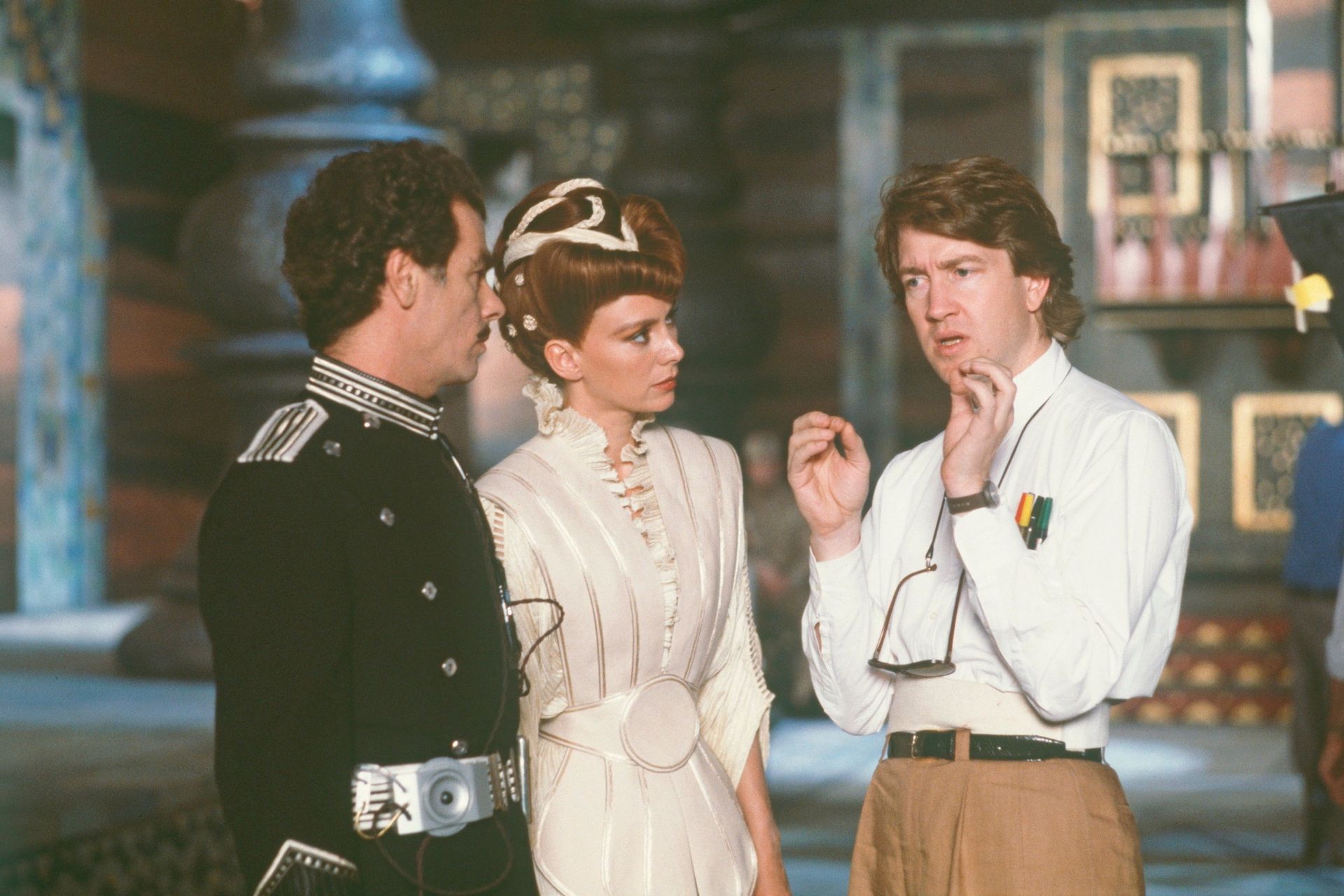
Lynch’s beginnings in the visual arts nurtured his later tendencies towards textured, vivid cinema that gets under your skin. He studied painting at the Pennsylvania Academy of the Fine Arts, and — as he would with other places he lived — later channelled the urban decay of Philadelphia into the shadowy postindustrial demimonde of Eraserhead. Moving images drew him in next; his early short film Six Men Getting Sick (1967) was an animated painting.
He developed Eraserhead at the American Film Institute, where he was part of the directing class of 1970. Shooting the story of a stricken-looking loner who fathers a birdlike baby took four years, with Lynch sometimes sleeping on set. An outlier alongside modish 1970s New Hollywood, his fully formed vision was surreal and grotesque, an extreme close-up of the surfaces and moods in an angst-ridden postwar home. Opening in downtown Manhattan in 1977, it became a midnight-movie hit.
A Hollywood producer caught a screening and, improbably, connected Lynch with a project and a backer: The Elephant Man, its unlikely executive producer comedy legend Mel Brooks, who compared Lynch’s work to Beckett and Ionesco. Starring John Hurt as John Merrick, the 1980 film earned Lynch an Academy Award nomination for Best Director. Dune, starring little-known Kyle MacLachlan, followed in 1984, thoroughly disappointing the director creatively. As Lynch said of its producer, Dino De Laurentiis: “When Dino and I first talked, he had not seen Eraserhead, so there were a lot of things in my head that he didn’t know about. When he finally saw the film, in fact, he hated it.”
In short order Lynch poured his mind into what became his defining work for many years. Blue Velvet depicted picket-fence Reagan-era suburbia as home to kitschy songbirds and a nitrous-huffing sadist (Dennis Hopper) who torments a nightclub chanteuse (Isabella Rossellini). MacLachlan stars as a young man who plays detective, opposite Laura Dern. Four years later, in Twin Peaks, Lynch cast him as an FBI agent investigating the murder of Laura Palmer. The show became a phenomenon, challenging the homogeneity of TV with new depths of the weird and inexplicable.
“It’s all about seeing that underside,” Frederick Elmes, Lynch’s cinematographer on Eraserhead and Blue Velvet, said about Lynch’s interests, in an interview last year. That view continued with the split-personality fugue of Lost Highway (1997), a warm-up for the Los Angeles phantasmagoria of Mulholland Drive (2001). Originally developed for TV, the latter is widely regarded as Lynch’s masterpiece, launching another little-known actor, Naomi Watts, as an ingénue falling down a Hollywood rabbit hole. In a social media post yesterday, Watts wrote: “Every moment together felt charged with a presence I’ve rarely seen or known. Probably because, yes, he seemed to live in an altered world.”
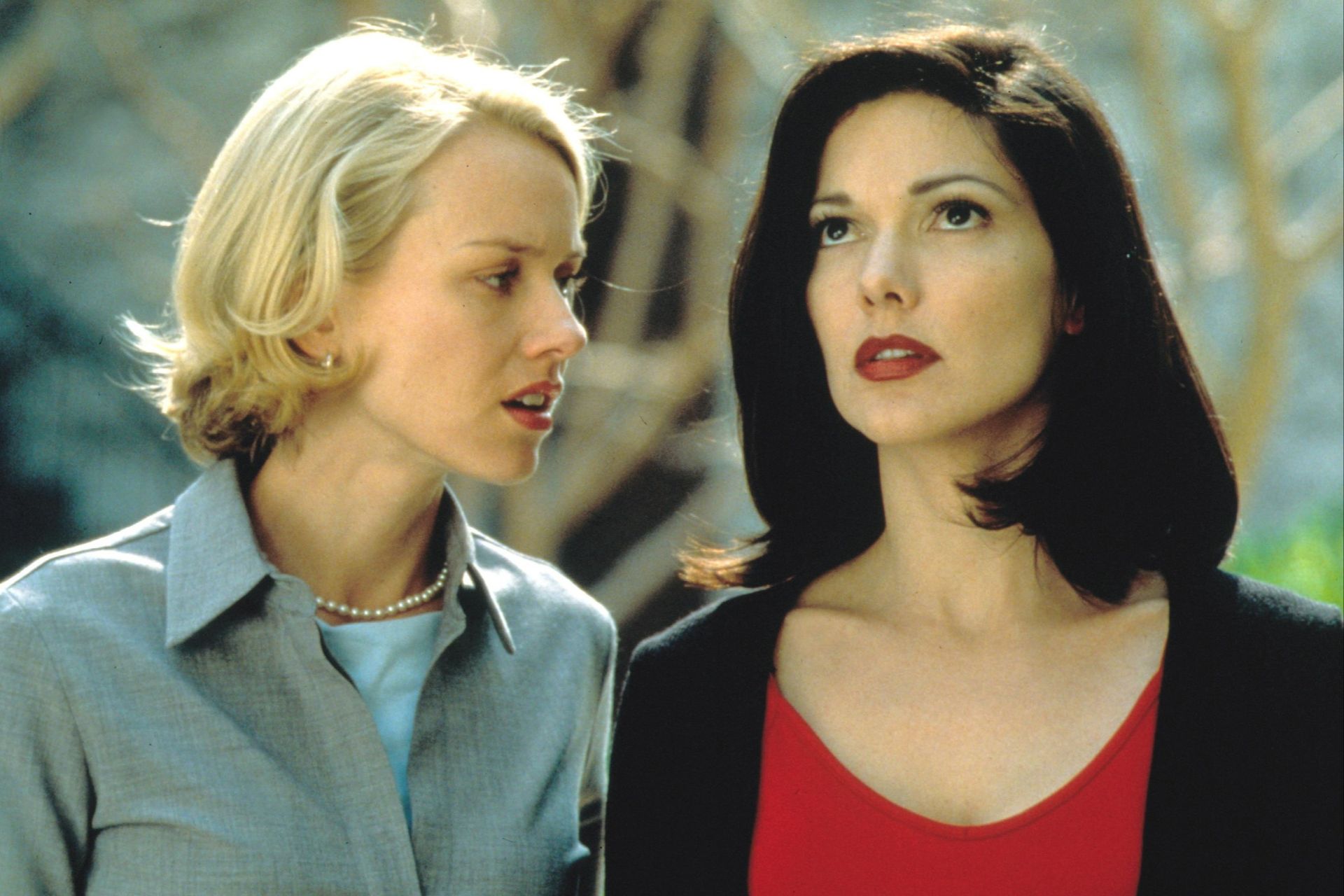
Lynch also directed a sweet sunset idyll, The Straight Story (1999), and a torturous trip through the digital looking-glass, Inland Empire (2006), along with one-off TV and music projects. Meanwhile he adhered to and stumped for a regular transcendental meditation practice and returned to his roots in painting. But the director achieved one more moving-image pinnacle with Twin Peaks: The Return (2017), a darkly gorgeous, cracked meditation on an American atomic-era legacy of dread and death.
He continued to attract new generations of fans though his gee-whiz persona, oddball integrity and deadpan humour. But his genuineness was the real thing, as was his incongruously twisted art, peering into the darkness and light in the American soul. He was married four times and is survived by four children.