After decades of unsuccessful attempts to generate nuclear power in Poland, Warsaw has kick-started two separate projects to build atomic plants with foreign partners.
Prime Minister Mateusz Morawiecki announced in October that Westinghouse of the US would build a nuclear plant in Poland, with South Korea’s KHNP signing a letter of intent with his government days later for a separate nuclear facility.
Warsaw has abruptly gone into nuclear overdrive as part of its push to guarantee energy independence from Russia. Poland has been struggling with soaring energy costs that have pushed inflation to a 25-year high since the Kremlin’s all-out attack on Ukraine in February.
Other countries are also embracing nuclear power in response to Russia’s aggression, adding a national security dimension to the promotion of nuclear power as a zero-emission source of energy. The UK plans to start work on eight reactors by 2030 while Germany and Belgium recently extended the life of some reactors beyond their original shutdown dates after policy U-turns.
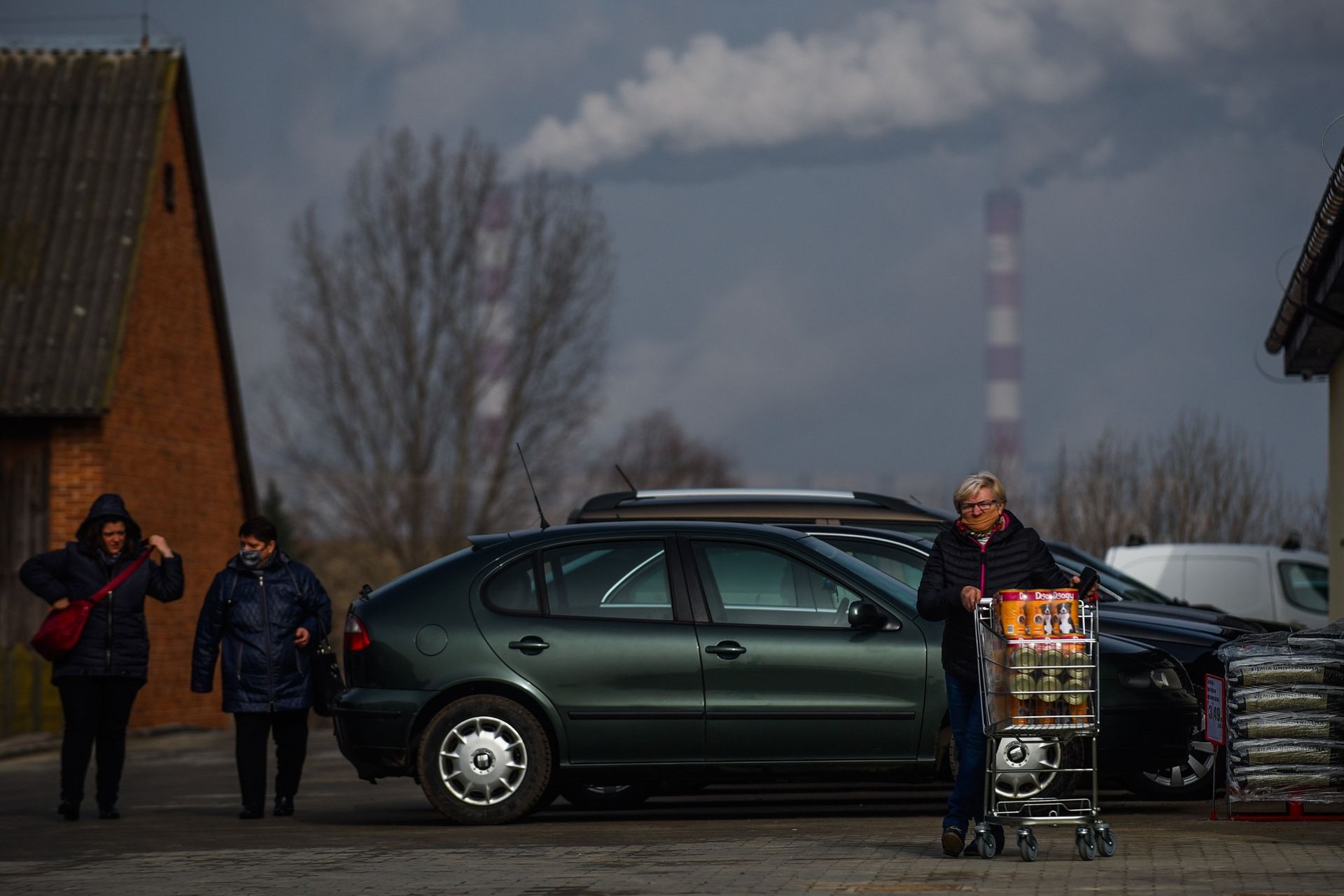
“We’re seeing a vast change in the Polish as well as European mindset concerning nuclear energy,” said Adam Juszczak, energy expert at the Polish Economic Institute. “Everybody is now fully aware that we have to replace fossil fuels, especially what we imported from Russia.”
Nuclear power has been a thwarted Polish ambition since the early 1970s, when its then Communist government chose a location for its first nuclear plant. Construction of the Soviet-designed Żarnowiec plant started in 1982 but was abandoned due to a funding shortfall and the protests that followed the 1986 Chernobyl disaster in neighbouring Ukraine. After the collapse of the Soviet Union, different Polish leaders made unfulfilled pledges to restart the nuclear construction programme.
In contrast, other former Communist nations built nuclear reactors and are now adding more. Slovakia, where the first reactor started operating 50 years ago, is finishing the construction of a third unit at its Mohovce plant. Hungary’s government in August gave Russia’s Rosatom the go-ahead to build two more reactors at its Paks plant.
“Having worked in nuclear energy for 60 years, I know this decision should have been taken a long time ago,” said Andrzej Strupczewski, a veteran professor from Poland’s National Centre for Nuclear Research. “Everyone around us has nuclear power plants.”
Poland’s biggest political parties favour nuclear power, as do the majority of voters who now worry more about spiralling energy bills than nuclear safety, according to opinion polls.
Depending on how many reactors are built, nuclear energy should provide 25-40 per cent of Poland’s power production in 20 years, according to the Polish Economic Institute.
Still, ahead of parliamentary elections next autumn, the push into nuclear power has been criticised as a “PR stunt” by environmentalists. “Poland’s nuclear programme has a long history of missed deadlines,” said Paweł Szypulski, programme director at Greenpeace Poland, who argued the government’s plan was simply aimed at showing that “they’re capable of controlling the energy crisis”.
He urged the Morawiecki administration to instead look to wind energy and stop “holding back green technologies which could rapidly decarbonise our economy”. Coal generates 70 per cent of Poland’s electricity production.
Poland’s nuclear projects face significant challenges, notably over funding. Warsaw is trying to convince Westinghouse to take a significant shareholding in the new plant. The Koreans are entering a complicated partnership with the Polish billionaire Zygmunt Solorz-Zak, whose assets include broadcaster Polsat and Poland’s state-run energy group PGE.
By betting on two separate foreign partners, Poland has also exposed itself to their rivalry. Westinghouse filed a lawsuit in the US in October, arguing that the Koreans used American proprietary technology that could only be exported with Westinghouse’s approval.
France’s EDF was among those who lost out in Poland. Some experts believe Westinghouse benefited from Washington’s strong relationship with a Polish government that has instead tussled with France and other EU partners over whether Poland needed to reform its judiciary in return for pandemic recovery funds.
The leader of Poland’s governing Law and Justice party, Jarosław Kaczyński, said recently that he could talk to France about nuclear power only if France acknowledged that criticising Poland’s rule of law was “a brazen lie”.
Given that nuclear projects often suffer delays and cost overruns, Poland had unveiled “very ambitious plans, especially for a country that has no experience in building modern nuclear plants nor has trained staff”, said Marcin Jaskólski, a nuclear energy researcher from the Gdańsk University of Technology.
Whatever the challenge, nuclear power was now a “must-have” for the country, said Beata Daszynska-Muzyczka, president of the BGK Polish development bank. “This is about Poland’s ability to grow and offer businesses that invest here a stable, clean and cheap source of energy.”
The government is also trumpeting nuclear as a clear commitment to halt global warming, an issue that previously ranked lower down on the list of priorities for the country. Under EU pressure to meet a 2050 target for carbon neutrality, Poland’s government negotiated last year with its mining industry to shut all coal mines by 2049.
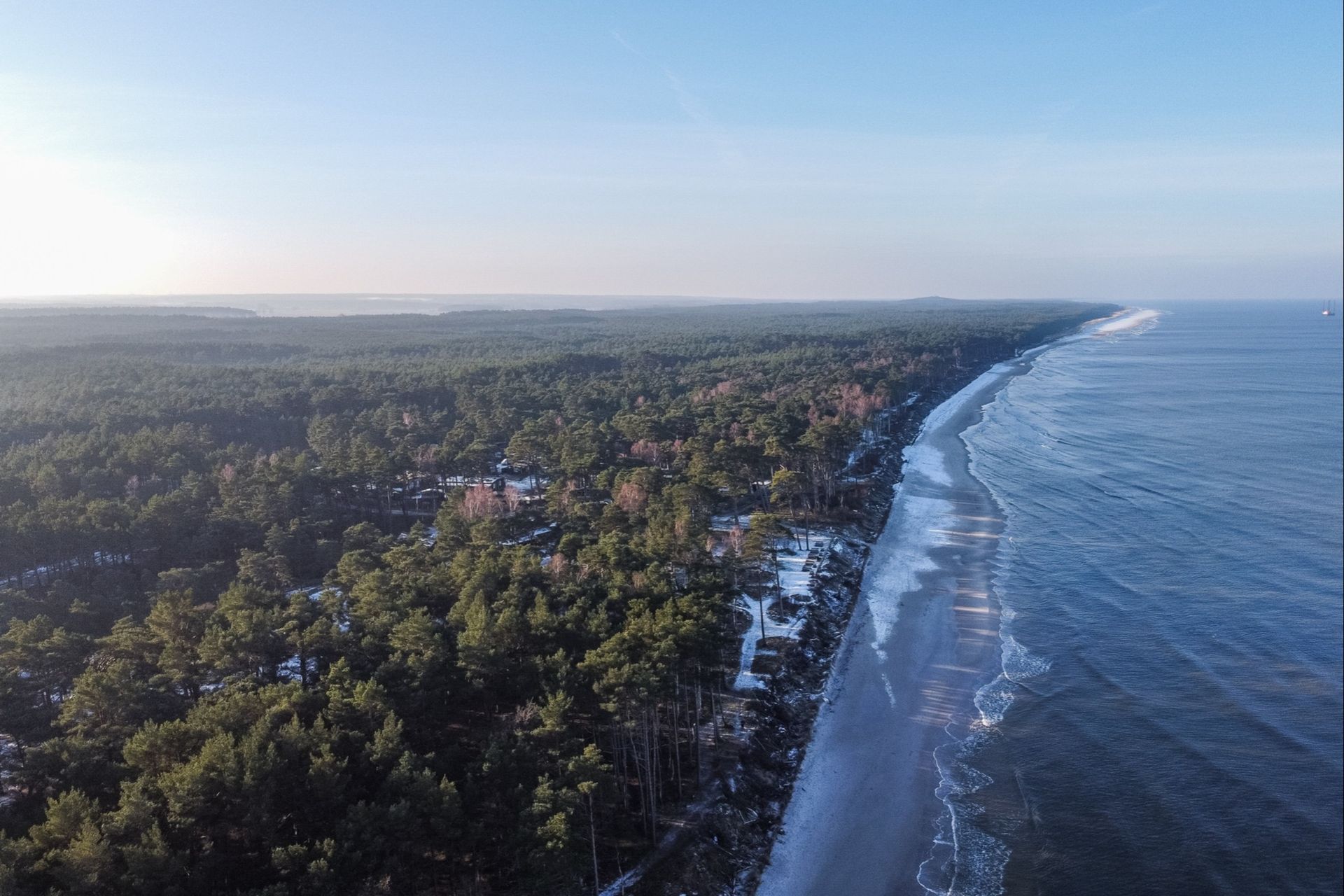
But in the town of Choczewo in northern Poland, which expects to host the Westinghouse plant, there are mixed feelings.
Sylwia Garska-Chmarycz, a local chef, said she welcomed the jobs that a plant would create, as well as the choice of “way more advanced” American technology than anything Poland previously envisaged.
But travel company owner Jolanta Zwierzchowska, who has organised protests against the nuclear project, was not convinced. “If the plant is built here, no tourists will come,” she said.
For Wiesław Gębka, Choczewo’s mayor, the focus should be on the economic benefits, even if he also said he understood residents’ fears over the tourism and environmental impact.
The one certainty about the arrival of nuclear power, he said, was that “a revolution is about to hit”.